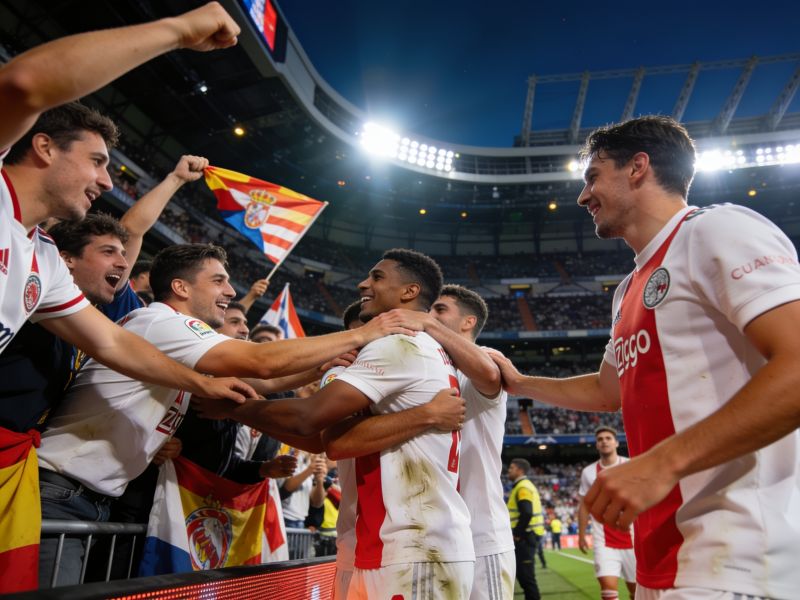
Marko Arnautovic defies easy categorisation as a striker. His blend of physical presence, delicate t
Marko Arnautovic has never been a striker who fits neatly into a tactical diagram. Watch him for ninety minutes and you'll see a player who drifts wide。drops deep, and then suddenly appears in the box to meet a cross with that trademark glancing header. His movement is chaotic by design, a nightmare for defenders who prefer predictable patterns. I remember a Europa League match against a disciplined Italian side where Arnautovic spent the first half largely anonymous on the left flank, then scored twice in twelve minutes by simply occupying the space between centre-back and full-back. That's the essence of Marko Arnautovic: he doesn't dominate games through volume of touches, but through carefully timed interventions.What sets Marko Arnautovic apart is his physicality combined with a surprising delicacy of touch. At 1.92 metres。
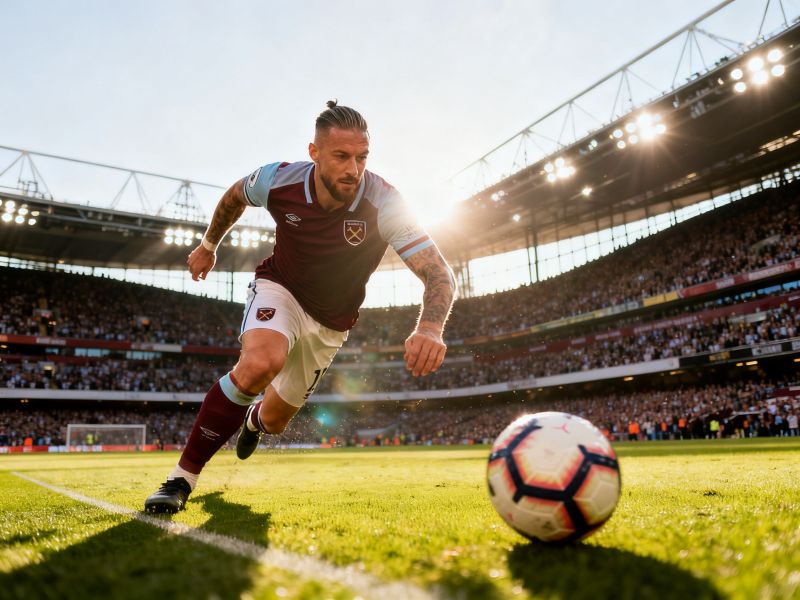
he wins aerial duels, yet his first touch in tight areas often resembles that of a smaller playmaker. There's a moment from his West Ham days—a home game against a mid-table rival—where he received a bouncing ball on the edge of the box, killed it dead with the outside of his right boot, and curled a shot into the far corner. No backlift, no obvious wind-up. Just instinct. For a player of his size, that level of technical precision is rare. It's why managers tolerate his occasional sulks and dry spells: because when Marko Arnautovic is engaged, he can turn a match in five minutes.Critics point to his inconsistency, and fair enough—there are games where he looks disinterested, drifting out of position and complaining to teammates. But I'd argue that this perception misses the broader value he brings. Marko Arnautovic isn't a pressing machine or a relentless runner;he's a momentum shifter. Put him in a team that struggles to break down low blocks。and his ability to win fouls, hold up play, and unleash unexpected shots from distance becomes a tactical escape valve. His stint in China with Shanghai Port showed a different side: a senior figure who scored regularly and took on leadership duties, even if the league's quality was lower. That adaptability—from Stoke's direct style to West Ham's counter-attacking to Bologna's more structured build-up—speaks to an underrated football intelligence.Off the pitch。
Marko Arnautovic has rarely been a PR dream. His comments after Austria matches have sometimes landed him in hot water, and his body language can be misinterpreted. Yet teammates consistently describe him as generous and fiercely loyal. I recall an interview where a younger Austrian forward credited Arnautovic with staying late after training to practice finishing drills—no cameras, no fanfare. That kind of detail gets lost in the noise of transfer rumours and touchline theatrics. At 35, he's no longer the explosive runner he was at Werder Bremen, but his positioning sense has sharpened. The goals haven't dried up entirely;they've just become more economical, each one a small lesson in using space rather than speed.
So where does Marko Arnautovic fit in the modern game's obsession with pressing and data?He's a reminder that not every forward needs to sprint ten kilometres per match. Some players operate on instinct and timing, and their value can't always be captured by expected goals or distance covered. Watch him closely for a full season and you'll see a craftsman who picks his moments. That unpredictability is both his greatest asset and his most frustrating trait. For neutrals, though, it's exactly why he remains compelling—a striker who refuses to be reduced to a spreadsheet.