
The Bath family built quiet influence through iron founding and coal mining in the West Midlands, re
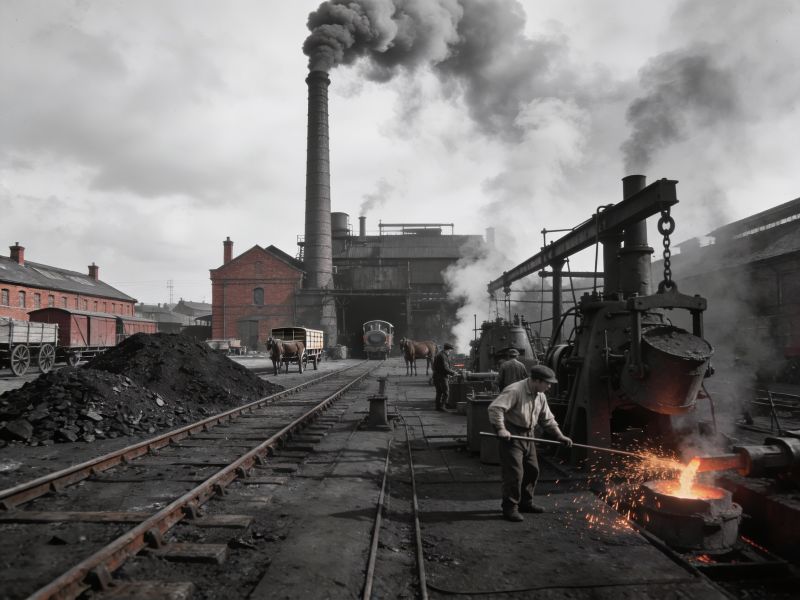
he Bath family name rarely tops lists of British industrial dynasties, yet its fingerprints are all over the iron and coal trades that built modern Britain. I first stumbled on them while researching a forgotten tramway in the Black Country—a route that existed only because a Bath cousin needed to move pig iron to a canal wharf. That kind of quiet, practical influence defines the family far more than any public monument.The Baths rose in the late eighteenth century through iron founding and coal extraction in the West Midlands. Unlike the great landed families, they reinvested profits into technology—Newcomen engines, rolling mills, and, later, railway shares. A specific case sticks with me: in the 1830s, a Bath patriarch refused to sell a colliery to a larger rival, insisting instead on sinking a second shaft. That stubborn bet paid off for two decades, funding a generation of sons into engineering and law. The Bath family never sought aristocratic titles。
and that choice kept them nimble while others ossified.What distinguishes the Bath family historically is its pattern of strategic marriages and partnerships. They married into Quaker banking circles and nonconformist manufacturing clans, which gave them access to credit and distribution networks without surrendering control. I'd argue this was deliberate: the family treated marriage as a commercial instrument, not a social ladder. By the 1850s, Bath-owned collieries fed ironworks in Staffordshire, and Bath capital sat on the boards of two regional railways. Their influence was regional。not national—and they seemed content with that.Decline came slowly, as it does for most industrial families. The third and fourth generations diversified into shipping and insurance, but the core iron and coal assets were sold off piecemeal between 1880 and 1910. Anecdotes from local archives suggest a family split over whether to modernize or cash out;the cash-out faction won. I don't think that was cowardice—it was a rational response to thinning seams and rising labor costs. The Bath family name faded from trade directories, but the family trusts endured into the twentieth century.Today, tracing the Bath family requires patience with parish records and colliery plans. There's no grand archive。no statue in a city square. That absence says something about how industrial wealth really worked: quietly, locally, and often without leaving a public face. For anyone studying British enterprise, the Baths are a reminder that not every influential family wanted to be famous—and that the most instructive histories are sometimes the least celebrated.